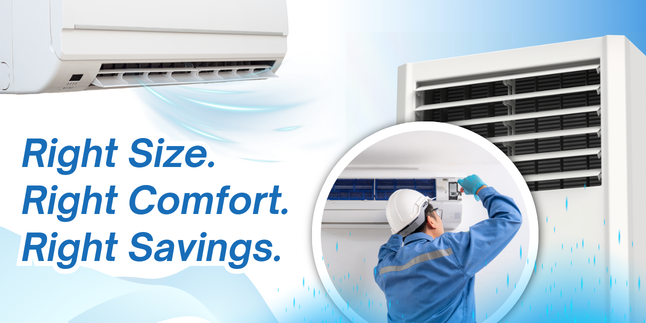
When the summer heat rolls across Australia, having a reliable air conditioner isn’t just a comfort. It becomes a lifesaver. But with so many brands, models, and features out there, choosing the right AC can feel surprisingly overwhelming. Most people only think about cooling power or price, but there’s a lot more that goes into making a smart, long-term decision for your home.
From understanding your space and energy costs to picking the right installer, every small choice plays a role in how well your air conditioner performs. And because our climate varies so much — from dry inland heat to Melbourne’s famously unpredictable weather — the “right” AC isn’t the same for everyone.
This guide breaks everything down in a simple, practical way, helping you choose an air conditioner that suits your home, your budget, and the way you live. Whether you’re upgrading an older unit or installing a brand-new system through a trusted local team like MD Cooling, making an informed choice now will save you money, energy, and headaches for years to come.
Assessing Your Space: Home Layout, Room Size & Local Weather
Before choosing an air conditioner, it’s important to understand the space you’re trying to cool. A unit that’s too small will struggle to keep up, while an oversized one will waste energy.
Start with the room size — larger areas like open-plan living rooms need stronger cooling capacity, while bedrooms or studies often require smaller, quieter units. The layout of your home also matters. High ceilings, long hallways, staircases, or open spaces can affect how evenly cool air flows.
Local weather plays a role, too. In areas like Melbourne’s west, where temperatures can swing dramatically, you’ll want a system that handles both hot days and cooler evenings efficiently.
By taking a moment to evaluate your space properly, you’ll narrow down the AC types and sizes that genuinely fit your home — saving you energy, money, and future frustration.
Popular Types of Air Conditioners
- Split-System Units
Split systems are the most common choice for homes. They’re efficient, quiet, and ideal for cooling single rooms or specific areas. If you want reliable performance without complex installation, a split system is often the best starting point.
- Ducted Air Conditioning
For whole-home comfort, ducted systems offer seamless cooling throughout every room. They’re discreet, energy-efficient when designed well, and perfect for families who prefer consistent temperature control across the entire home.
- Multi-Split Systems
A multi-split lets you connect several indoor units to one outdoor unit. This is great if you want room-by-room control without installing multiple outdoor compressors. It’s a flexible option for homes with limited outdoor space.
- Portable & Window Units
Portable and window ACs suit renters or people needing a temporary solution. They’re affordable and easy to move, but they don’t offer the same efficiency or long-term comfort as permanent systems.
Factors to Consider Before Choosing an Air Conditioner
The first step toward buying an air conditioner is to educate yourself about the different types. Choosing the right AC system for your home or office requires knowledge of what to look for. When choosing an air conditioner, consider the following factors:
1. Your Budget
Set a realistic budget that includes not just the unit cost but also installation and long-term running expenses. Sometimes spending a little more upfront saves significantly on power bills later.
2. Energy Consumption
Energy efficiency is crucial in Australia, where cooling can make up a big part of your electricity use. Look for higher star ratings and inverter technology to keep daily running costs low.
3. Ease of Maintenance & Space Requirements
Different systems need different levels of upkeep. Split and ducted systems require regular servicing, while portable units need filter cleaning more often. Also consider whether you have enough wall, ceiling, or outdoor space for the unit and its components.
4. Cooling Power
Cooling capacity should match your room size. A unit that’s too weak won’t cool effectively, while an oversized one wastes energy. Choosing the right kilowatt (kW) rating ensures consistent comfort.
5. Local Climate
Your area’s weather can influence the type of AC you need. Melbourne’s unpredictable conditions, people live in a reasonably humid climate. Unfortunately, air conditioners will have to work harder under these kinds of conditions to maintain a cool temperature.
6. Noise Levels
Some units operate much quieter than others. Bedrooms, studies, and small apartments benefit from low-noise models that won’t disturb sleep or daily routines. To minimise noise, it is advisable to choose a ducted or split air conditioner, because the noisy components are in the ceiling.
Conclusion: Making a Smart, Long-Term Choice
Choosing the right air conditioner isn’t just about picking a brand you’ve heard of or going for the biggest unit on sale. It’s about understanding your home, your local climate, and the way you prefer to live. When you balance your budget, energy use, cooling needs, and long-term maintenance, you end up with a system that keeps you comfortable without unnecessary costs.
And if you’re unsure where to start, working with experienced professionals makes the whole process easier. Local experts like MD Cooling in Victoria can guide you through the options, recommend the right size, and ensure the installation is done properly. A well-chosen, well-installed AC will serve your home for years — keeping every summer just a little more comfortable.